Westwood’s History
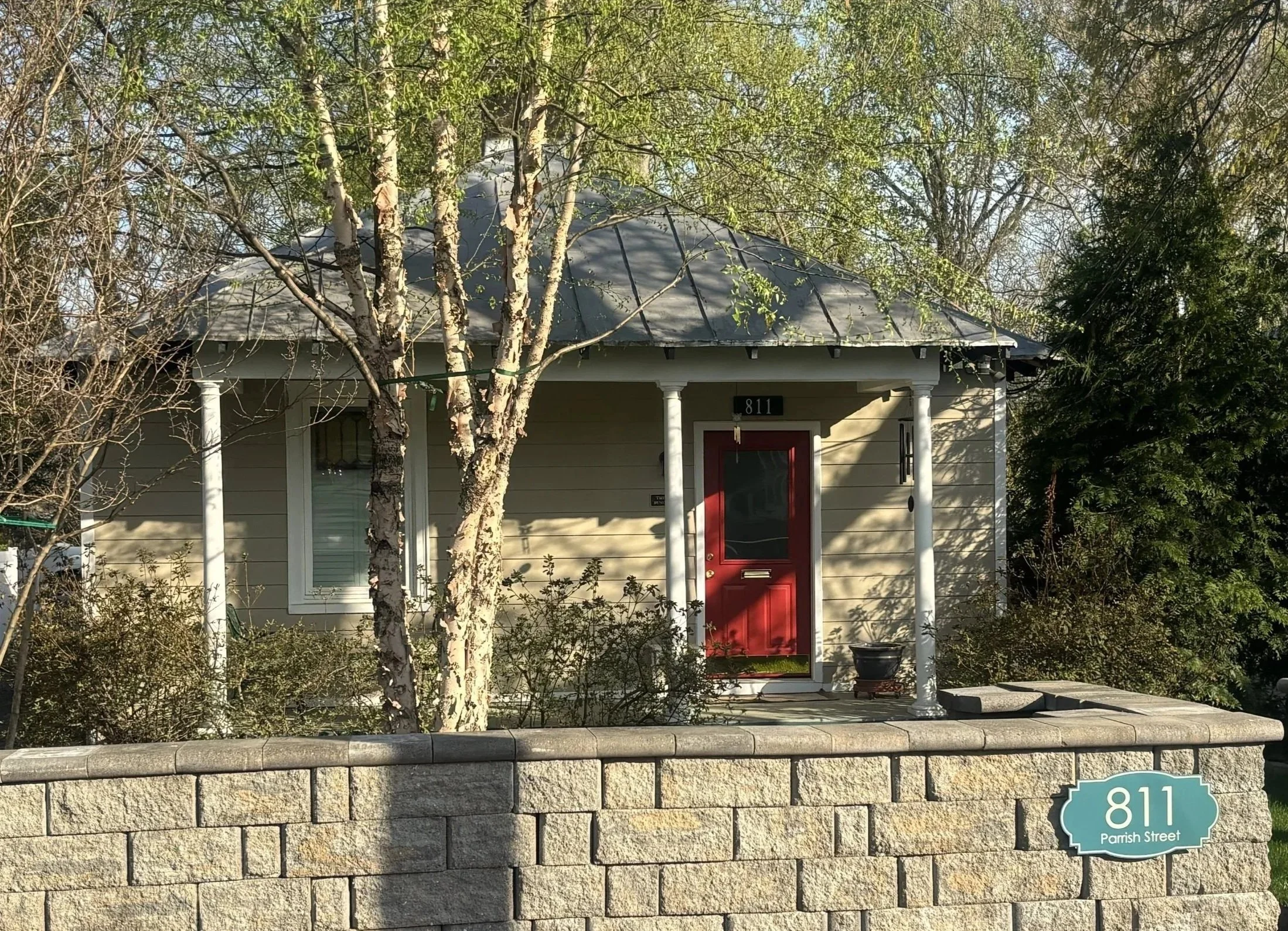
In the West End of Richmond, Virginia—from Glenburnie Road to Dunbar Street and from Stokes Lane to the 5400 block of Patterson Avenue—lives a neighborhood humble in form, steeped in legacy, and treasured by generations: Historic Westwood.
Following the Civil War, Black Virginians, including formerly enslaved people from nearby plantations, established Westwood Village on the banks of Jordan’s Branch, a freshwater stream that feeds into the Chickahominy River.
As recorded in Henrico County’s Deed Book, in 1876, land was transferred to Westwood Baptist Church “for the benefit use & disposal only of the members of the congregation,” and subdivided into housing plots.
Outside city limits, Westwood grew into its deeded land with a store, a two-room schoolhouse, social clubs, shared recreational spaces, and a vibrant, largely self-sustaining community.
By the early 20th century, affluent white residential areas began to develop around Westwood in what is today Richmond’s West End. In 1942, Westwood was annexed by the City.
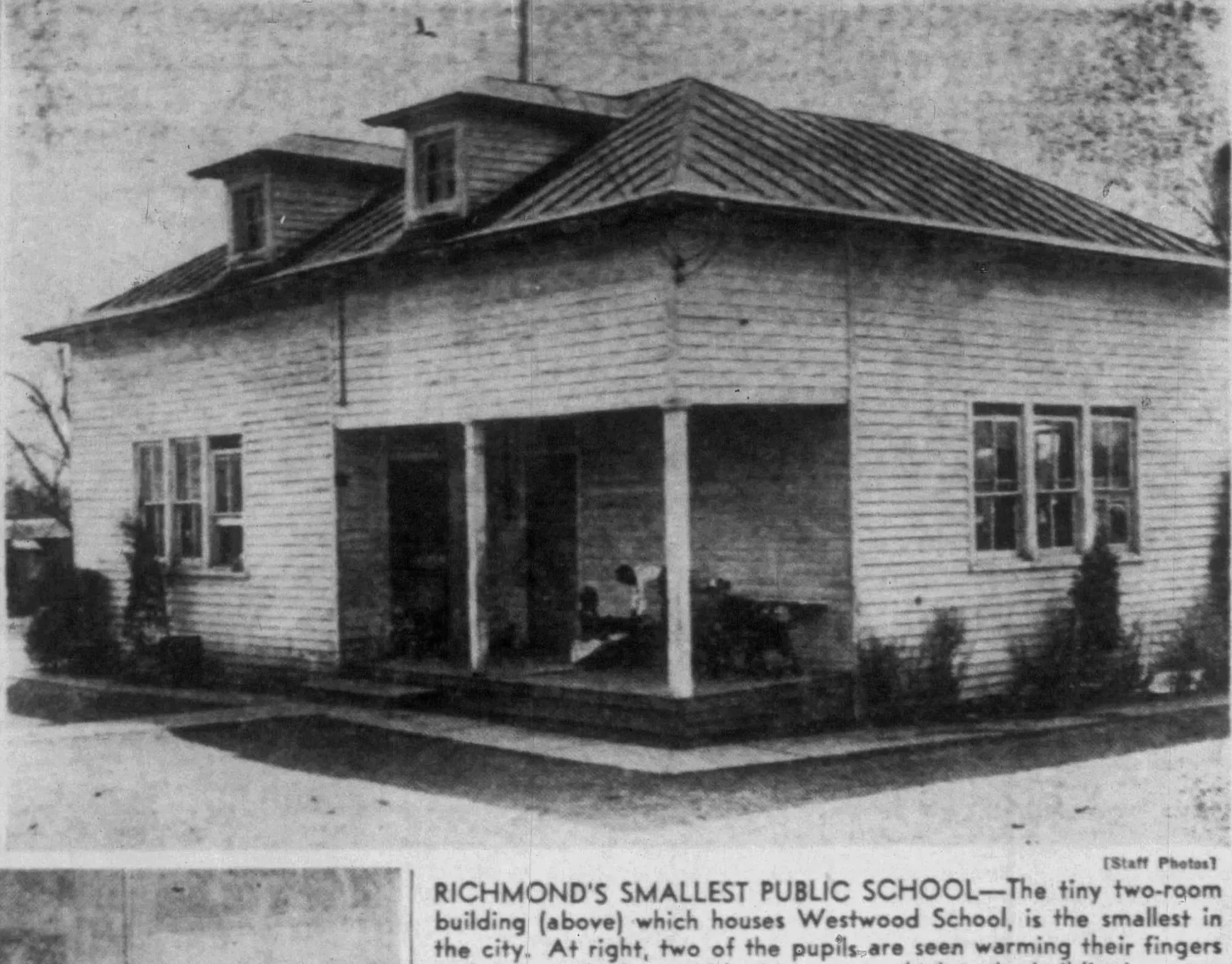
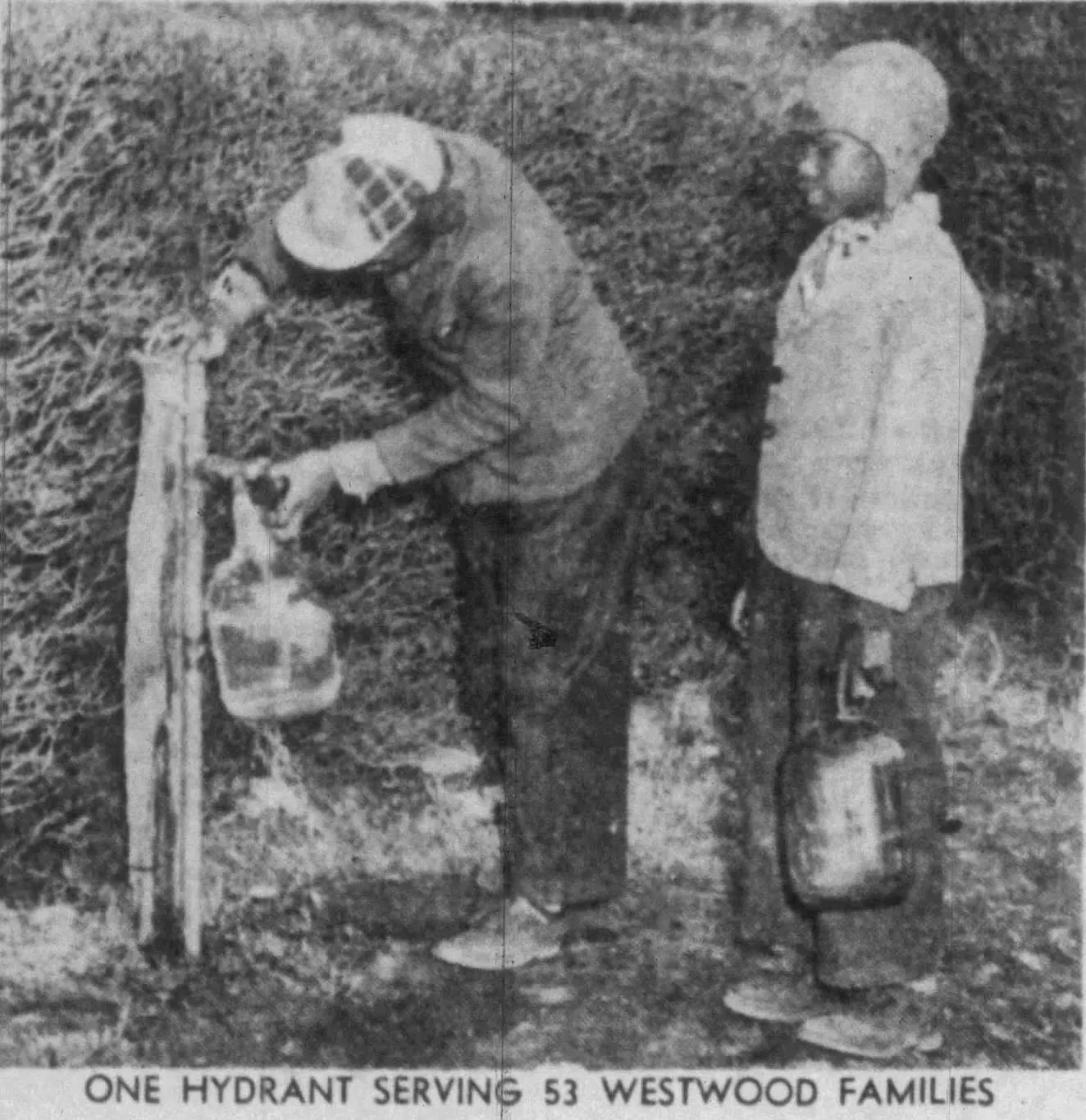
For years, the community was denied access to utilities while officials weighed various proposals to demolish Westwood’s homes and create a park.
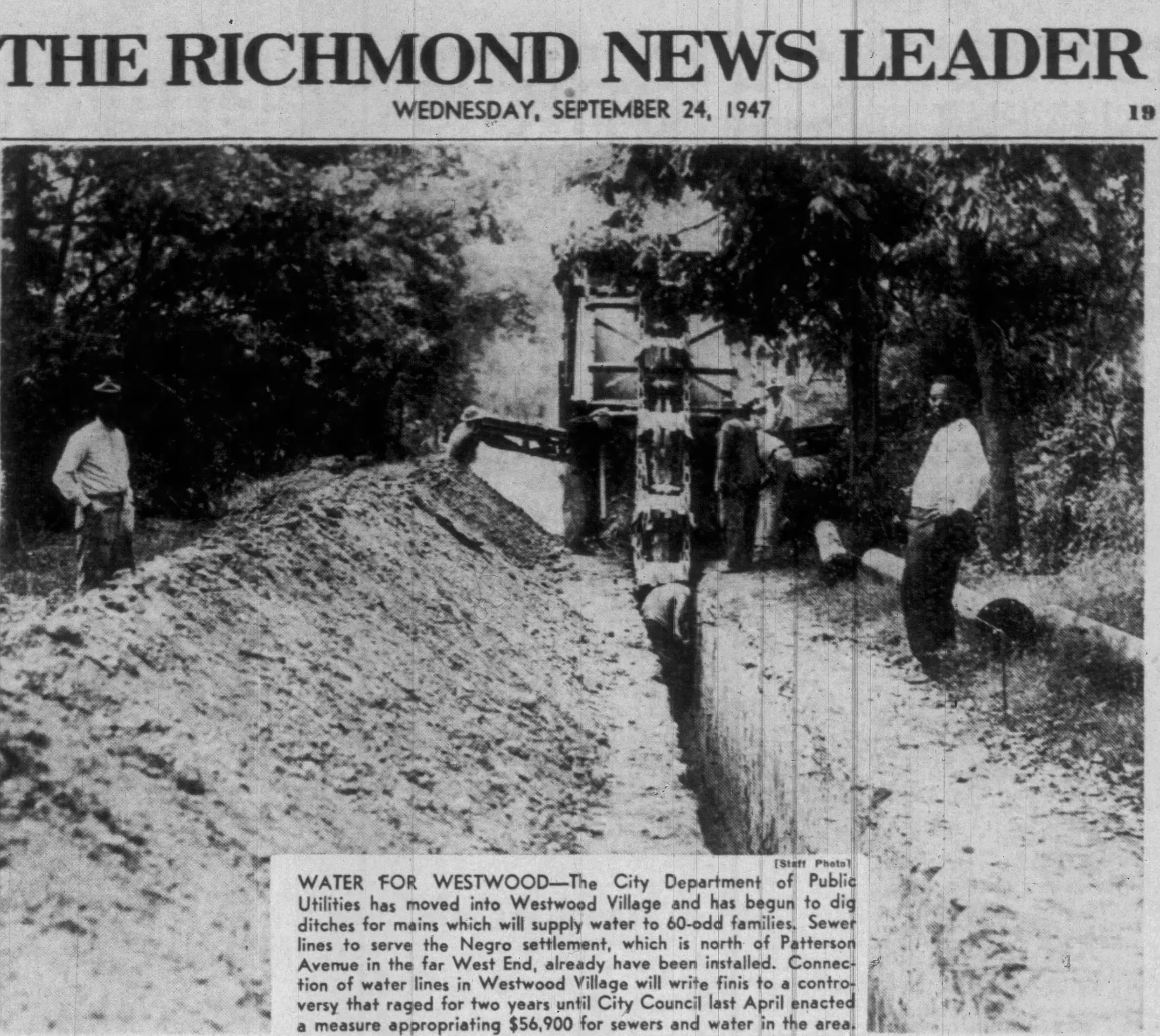
Following several public meetings, and the return of 40 Black WWII servicemen and women who sought to build homes, on April 6, 1947, an editorial ran in the Richmond Times-Dispatch, stating that, “Seldom, if ever, have as many white Richmonders been as aroused over any issue involving interracial justice,” and that the decision the City made regarding Westwood would “hinge the verdict as to whether Richmond believes in fairness and justice.”
On April 8, the City Council passed a resolution to extend water and sewer mains. That same day, the Council tabled a contentious plan to expand Westwood’s village roads and build new roads. As Selden Richardson noted in Built By Blacks, the road project “would have done serious damage to the houses of the area that are often sited close to the street on small lots.”

The following year, Daisy Jane Cooper was born. In 1958, so that Jane could attend a nearby school, her mother, Elizabeth Cooper, served as the lead plaintiff in a landmark case against the Richmond School Board and the State Pupil Placement Board. Her perseverance resulted in the 1961 U.S. District Court order that struck down the State's ability to block enforcement of Brown v. the Board of Education, and led to the desegregation of Richmond Public Schools.
On September 5, 1961, Jane became the first African American student to integrate Westhampton Junior High School. One year later, she became the first to integrate Thomas Jefferson High School.
Westwood has also nurtured other iconic leaders, including Arthur Ashe, the international tennis champion and civic leader (whose mother grew up in Westwood and whose grandmother was a deaconess at the Church), Dr. Benjamin Lambert, Virginia State Senator, Rev. Dwight Jones, Richmond City Mayor, and many others.
Today, while historically Black neighborhoods throughout Richmond have been subject to redlining, significant redevelopment, and fragmentation, reinforcing health and quality of life disparities, the heart of Historic Westwood remains a cohesive, walkable, green, and neighborly community, with a unique enclave of small single-family homes owned by generations of African Americans on narrow country lanes.
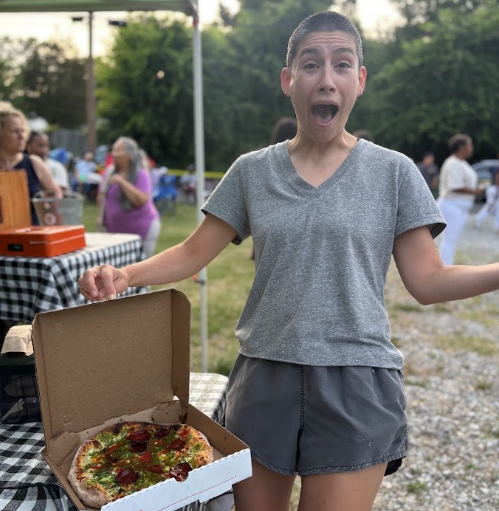
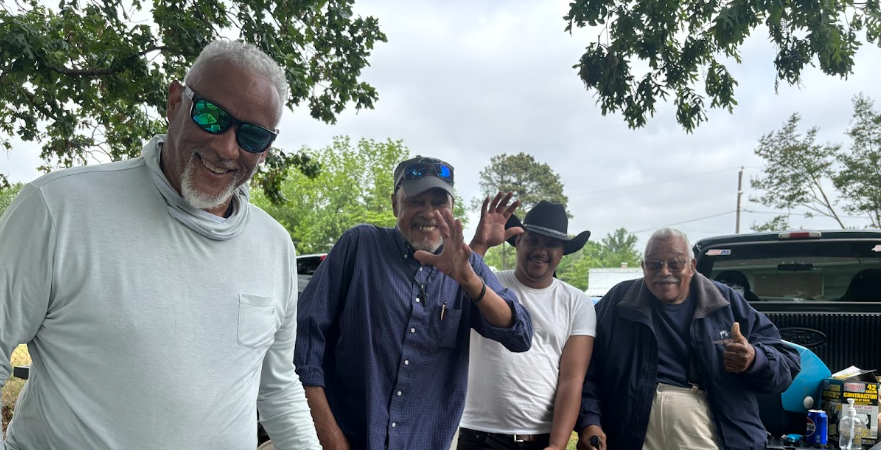
It is a rare surviving settlement founded by Black Virginians after Emancipation and a bastion of resilience, thanks to Virginians who have fought for its preservation over more than 150 years, including descendants of the original freedmen who founded Westwood, still attend Westwood Baptist Church, and participate in neighborhood celebrations — from Food Truck Mondays, to Homecoming, Earth Day, and National Night Out. Westwood meets multiple National Register criteria for historic preservation, and aligns with UNESCO’s identifiers for significant cultural heritage.
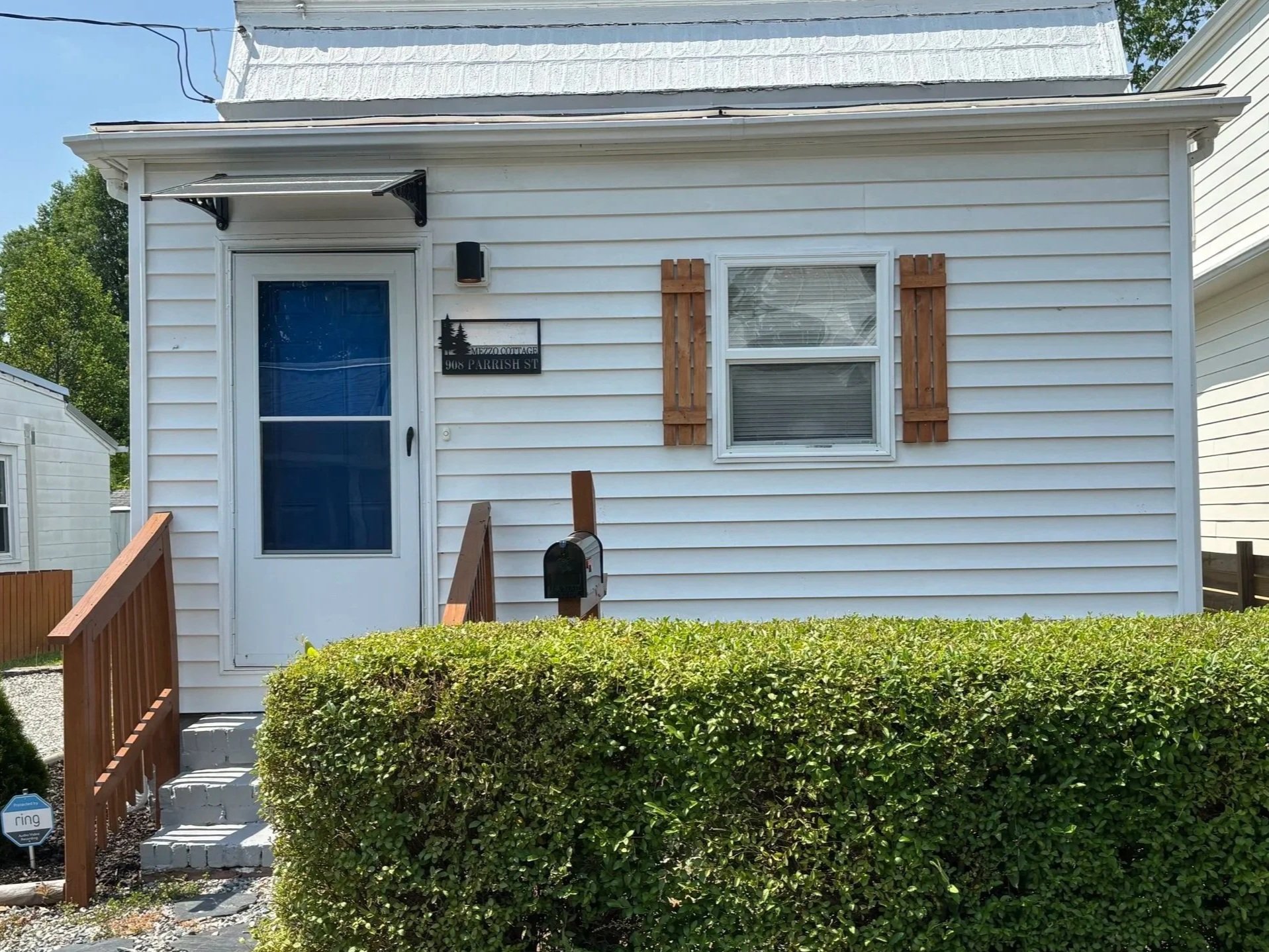
Westwood Today
Since 1942, Westwood’s historic boundaries have eroded (losing homes on Patterson Avenue, Glenburnie, and Snowden to commercial and municipal developments).
In 2023, local law allowed Accessory Dwelling Units (ADUs) to be built on single-family lots by right, meaning a secondary housing structure could be built where previously there was only one without a special permit. Currently, ADUs must be no larger than 500 square feet, or 1/3 the size of the primary structure (or existing single-family home). However, the City allowed ADUs by right before putting in place sufficient guardrails. As a result, opportunistic developers can erect bulky, towering structures against adjacent yards. This creates a tunneling effect, blocks daylight and air flow, eliminates privacy, and dominates open space. In Richmond, there is also no owner-occupancy requirement for ADU development, so “absentee landlords” can rent out both units simultaneously, fueling investor activity.
In 2026, over the course of a weekend, the developer Frank Cava erected these ADUs on back-to-back lots on Marian Street and Stokes Lane. The new constructions compete with the heights and massing of primary structures, transform the experience of living next door, and raise concerns that modest homes and yards historically owned by community members building intergenerational wealth may be converted into congested complexes owned by private investors. They also fracture the community's significant cultural heritage, cutting neighbors off from one another by design. The community urges the City to propose an amendment requiring larger rear and side setbacks, larger minimum distances between structures, and for accessory dwelling units to be legally enforceable as subordinate rather than competing structures. These are common standards in other cities.
Now, through a process known as Code Refresh, Richmond is proposing comprehensive upzoning that could have an outsized impact on Westwood. While some aspects of the proposed zoning could benefit Westwood, including tree canopy preservation standards and contextual height restrictions, Westwood is in a particularly fragile state and appears ripe for transformative redevelopment, given the affordability of homes and proximity to desirable amenities.
Westwood’s narrow village lanes have not been widened, and as previously found in 1947, doing so could encroach on and damage properties sited close to the road. In addition, setbacks are too narrow for sidewalks, and increased traffic and congestion will reduce the walkability of one-way country lanes. Westwood does not have street parking. That which exists has been carved out of yards. New structures will also not require parking despite the likelihood that new residents and their visitors will have cars. Westwood’s infrastructure has not been touched in 50 years, regularly struggles under current use, and residents are concerned about the added strain. Rising tax assessments could accelerate rates of displacement and cultural erasure, prompting more families to leave the neighborhood. Residents are also wary of losing the remaining mature street trees and canopies on lots, which cushion the community from the noise and air pollution now surrounding it and provide cooling and support for stormwater runoff, urgently needed with Richmond’s increasing heat waves and flash flooding.
According to Code Refresh framing documents, the process is intended to “reinforce” the “unique character” of neighborhoods, and “protect against encroachment upon historic areas.” While modest in architectural form, Westwood meets these criteria as much as any neighborhood.
In fact, the CEO of Historic Richmond, Cyane Crump, has said, “The church and the neighborhood homes represent a physical storyline of community success, neighborhood resilience, and African American middle class home ownership from Emancipation to Reconstruction to Jim Crow through the Civil Rights Movement.” And, in recent years, the neighborhood has received increasing recognition at the local, state, and national levels.
In 2021, historical markers sponsored by the Friends of Westwood Playground and issued by the Virginia Department of Historic Resources were installed at the intersection of Dunbar Street and Willow Lawn Drive, and on Glenburnie Road.
In 2024, a monument to Westwood resident and Civil Rights activist, Daisy Jane Cooper, commissioned by Bon Secours Health System, was unveiled at the corner of Libbie and Patterson Avenues.
On April 20, 2026, Westwood Civic League appealed to the Office of the Mayor, Councilmember Andrew Breton, and the Planning Commission, seeking an exemption from upzoning and a collaborative approach, with input and consensus from a majority of residents, to create a design overlay, to protect the scale, character, cohesiveness, and cultural heritage of Westwood and combat the displacement of existing residents, while welcoming growth and innovation that complement and preserve the historic treasure of Westwood.
On May 19, 2026, Preservation Virginia named Westwood a “Most Endangered Place” in the Commonwealth with endorsement from the African American Cultural Heritage Action Fund of the National Trust.
At the July 21, 2026, meeting of the Land Use, Housing, and Transportation Committee, Councilmember Breton continued to move forward with Resolution No. 2026-R024 to support the study and preservation of Historic Westwood. Residents from the neighborhood and historic community, and allies from neighborhoods across Richmond and beyond, wrote in regarding the Resolution, and more came to speak and show solidarity in person. Councilmembers Robertson and Jones also signed on as patrons of the Resolution, with inspiring remarks. A sampling of the letters from residents, community members, and friends of Westwood is available here.
On July 27, Breton presented the amended Resolution to the City Council, which included a more thorough history of the neighborhood and community, clarified street boundaries, and refined outcomes: “to request that the Chief Administrative Officer cause the Department of Planning and Development Review to (i) collaborate with the residents of and community stakeholders in the Westwood neighborhood, bordered by Dunbar Street to Glenburnie Road and from Stokes Lane to the north side of Patterson Avenue, to evaluate and recommend appropriate land use, zoning, and policy tools, and (ii) develop community-informed design guidelines and strategies to preserve the cultural and historic character of the Westwood neighborhood and support neighborhood stability, and (iii) provide a written report of such findings and recommendations.”
The City Council unanimously endorsed the Resolution, and every member of Council signed on as a patron. Councilmembers noted that while the Resolution as written does not protect the community from development or rezoning during the study period, it should “have teeth,” that it could serve as a model for other neighborhoods, and that the situation in Westwood demonstrated why City Council must move forward with the Cultural Preservation Stewardship Plan.
The community recognizes that similar resolutions have been put forth for other Richmond neighborhoods, but have not resulted in plans that put binding protections in place. But the community remains hopeful and will continue to fight, recognizing that the decisions of the City Council, the Department of Planning, and the Office of the Mayor will determine whether Westwood’s character, community, and significant cultural landscape are preserved for current and future generations.
In the meantime, due to Westwood’s historic status, property owners throughout the neighborhood may currently apply for the Virginia Department of Historic Resources Easement Program and State Rehabilitation Tax Credit Program. In addition, the City released a report with links to various resources to help homeowners remain in their homes.
The community is now seeking volunteers to assist with preservation planning, community outreach, legal counsel, and funding to support the overlay process through December 2026. The Richmonder recently produced a comprehensive article about the challenges facing Westwood, as did Channel 12.